
What is Ransomware?
Translated from the Spanish original. Read in Spanish

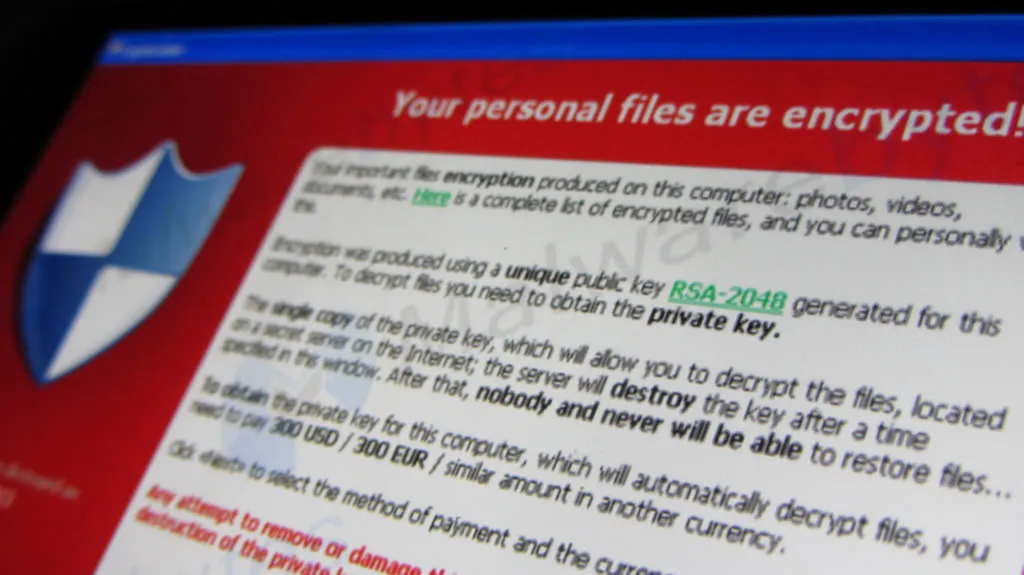
Basically, it’s a kind of malicious program that “kidnaps” a person’s data, either by blocking access to the device or just by encrypting the data in question. Then a payment is demanded to release the information. It can affect computers as well as phones and tablets.
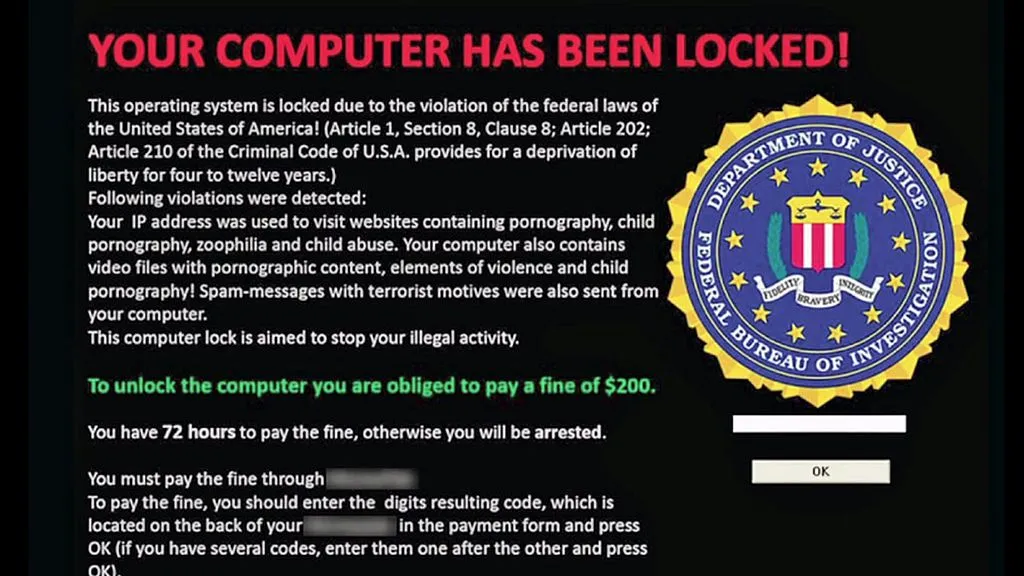
A common feature of many versions of this kind of malware is that they “disguise” themselves as security agencies, warning that illegal material was found and has been locked. So FBI, CIA and other logos may appear. Finally, the user is asked to pay a (fake) fine to unlock the device or the data.
Here are some examples of the screens that may appear:
What’s the worst that can happen?
WE CAN LOSE ALL OUR DATA
How can I get infected?
The most common ways it spreads are:
- Email attachments
- Emails that use impersonation to lead the person to a malicious site where the ransomware is downloaded
- Websites that offer illegal software downloads
- On phones and tablets, ransomware also often disguises itself as a safe app that asks for permissions to take over the device.
How can we protect ourselves?
- Being very careful with emails that have attachments.
- Carefully checking the permissions an app asks for on our tablet or phone. If, for example, a photo app asks for permission to read our calls and text messages, something is suspicious. Why would the app need that data?
- Finally, the most effective way to protect ourselves from these threats is to keep an up-to-date backup of our important information.
If we’ve been infected, can we recover the files?
Some security companies have developed free tools that can decrypt certain kinds of ransomware. Here’s a link from Kaspersky with access to tools for recovering data captured by the following malicious programs:
- Wildfire
- Combat Shade 1 and 2
- annoh
- AutoIt
- Fury
- Crybola
- Cryakl
- CryptXXX 1 and 2
- Rakhni
- Aura
- Agent.iih
- Pletor
- Rotor
- Lamer
- Lortok
- Cryptokluchen
- Democry
- Bitman (TeslaCrypt) 3 and 4
- Chimera
- CoinVault
- Bitcryptor
- Xorist
- Vandev
Link : https://noransom.kaspersky.com/

AI Platform Engineer & Full-Stack Developer
Building Enterprise Integrations & Automations
- What an LLM really is — and how to measure it with Artificial Analysis - 12 September 2026
- AI SDLC: a compendium of best practices for developing with AI - 19 June 2026
- Agentic Patterns and the Many Faces of RAG - 25 May 2026